





Published: 09:15, June 13, 2025 Source: Qinzhou Municipal Bureau of Culture, Radio, Television, Sports, Tourism
June 14, 2025 marks China’s Cultural and Natural Heritage Day.
This year, the theme for cultural relics and museum authorities is: “Revitalize Cultural Relics for Fresh Vitality and Radiant Splendour”
The theme for culture‑and‑tourism authorities is: Blending into Modern Life — Intangible Cultural Heritage in Its Youth
Cultural and Natural Heritage Day
Evolved from China’s Cultural Heritage Day, Cultural and Natural Heritage Day falls on the second Saturday of June each year. It constitutes a key thematic observance for China’s cultural development, embodying the Party and the country’s high‑priority attention and strategic vision for cultural heritage conservation. It aims to foster a favourable atmosphere for heritage protection, raise public awareness of its importance, mobilize society at large to participate in, pay attention to and safeguard cultural heritage, and strengthen public awareness of heritage conservation.
Cultural and Natural Heritage Day covers both cultural heritage and natural heritage. Cultural heritage comprises tangible cultural heritage and intangible cultural heritage.
This year, Qinzhou will host the 2025 Qinzhou Cultural and Natural Heritage Day together with a series of consumption‑boosting events themed on Qinzhou Nixing Pottery.
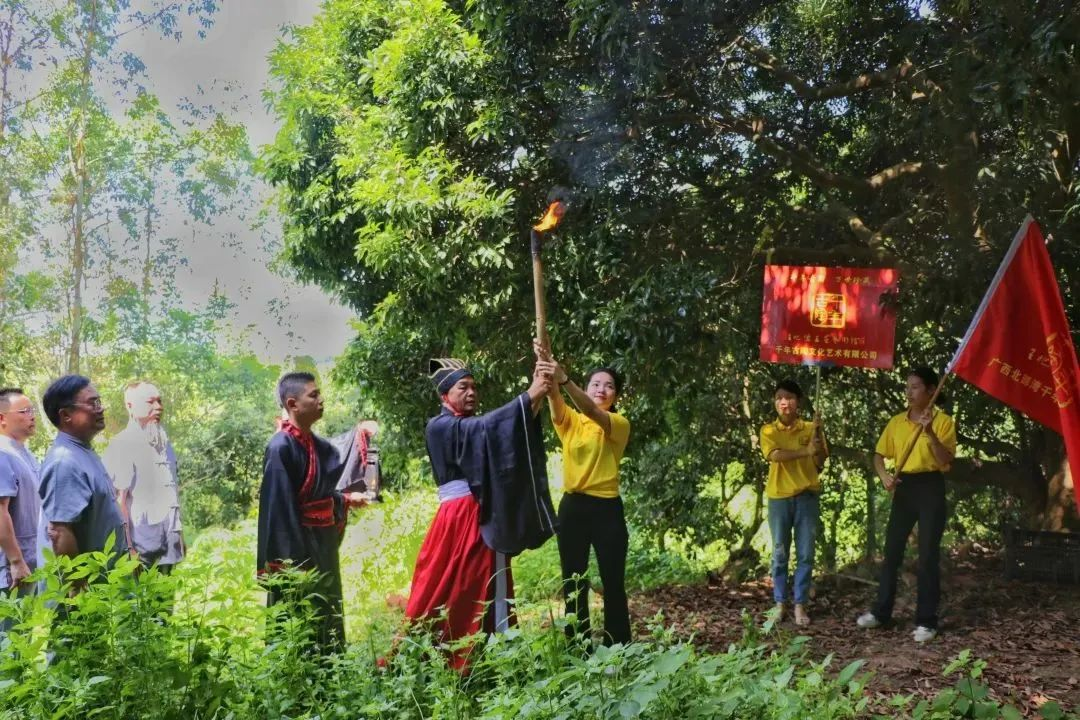
Behind the fire‑worshipping ceremony and kiln‑opening ritual lie profound historical and cultural origins. Let us set off to explore Qinzhou Nixing Pottery.
Among China’s treasured cultural heritages, Qinzhou Nixing Pottery shines bright with profound historical roots. Archaeological findings show that as early as the Neolithic Age, ancestors inhabiting the coastal areas of Qinzhou Bay made pottery using locally‑available reddish‑ochre clay. From the Qin‑Han dynasties, “Yue Pottery” crafted by the Luoyue tribes evolved and reached artistic maturity through the Sui‑Tang dynasties. After the Ming Dynasty, fine pottery represented by the “Si‑Liu Tiles” produced at Shuidong Gangwayao Village came into being. It peaked during the Xianfeng reign of the Qing Dynasty, when clay wares gained widespread popularity and officially acquired the name “Nixing Pottery”.
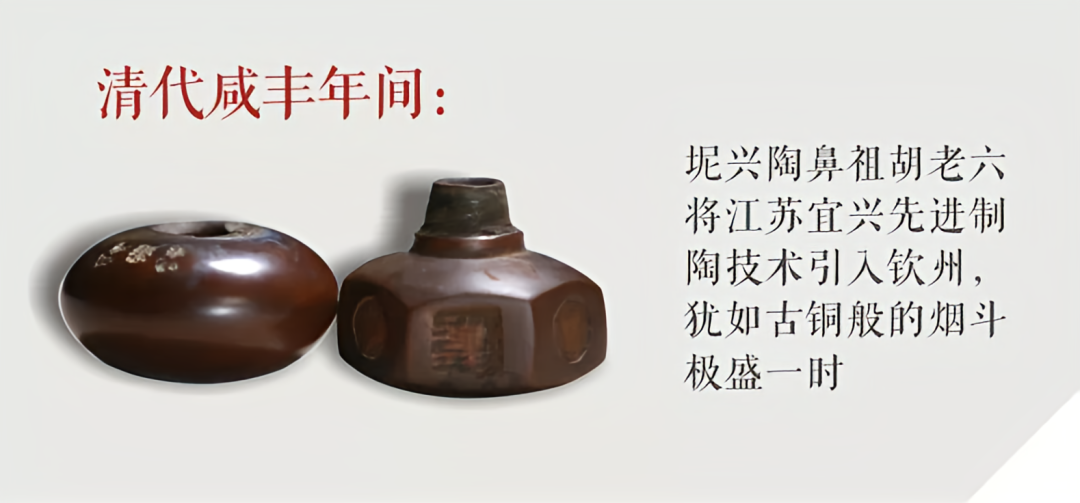
During the Xianfeng reign of the Qing Dynasty: Hu Laoliu, the founding father of Nixing Pottery, introduced advanced pottery‑making techniques from Yixing in Jiangsu to Qinzhou. His bronze‑like pottery pipes enjoyed immense popularity.
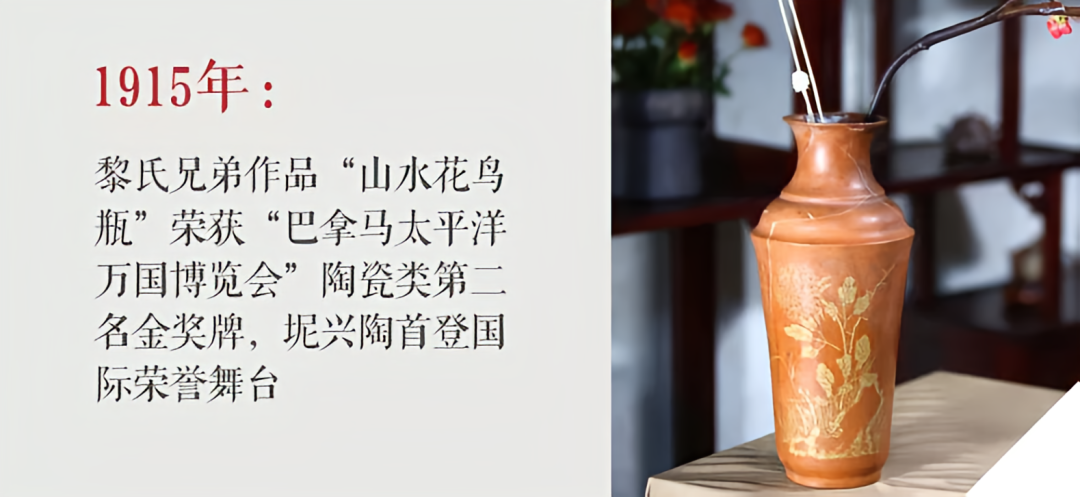
In 1915, fine Nixing Pottery works won a gold medal at the Panama‑Pacific International Exposition in San Francisco, USA. Since then, Nixing Pottery has earned its reputation as one of China’s Four Great Famous Pottery wares, gaining fame at home and abroad. The Ning Daowu Pottery Stele of the Tang Dynasty unearthed in 1920 proves that Qinzhou Nixing Pottery boasts a history of over 1,300 years.
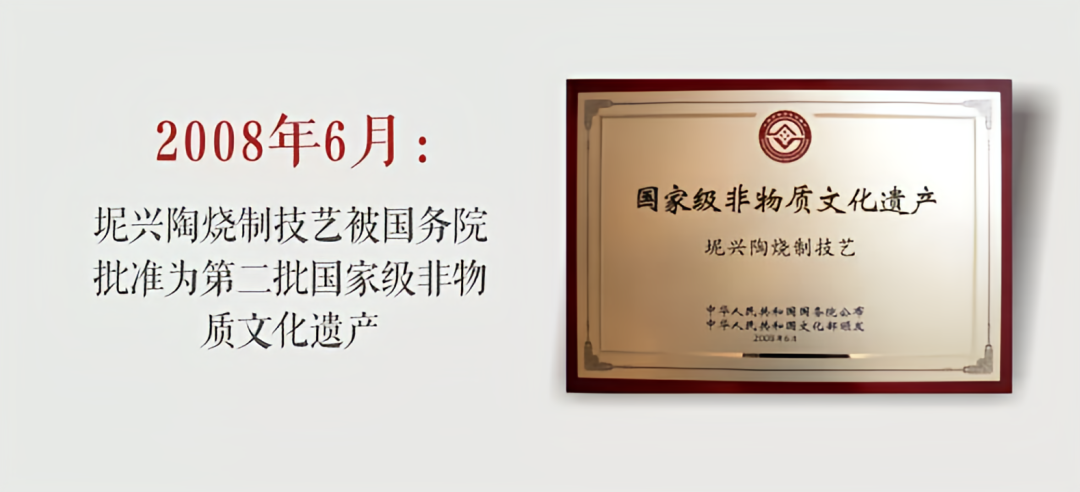
A precious national intangible cultural heritage, the firing craft of Qinzhou Nixing Pottery was inscribed on the National Representative List of Intangible Cultural Heritage in 2008. Nixing Pottery products obtained the UNESCO Seal of Excellence for Handicrafts in 2006, 2012 and 2016 respectively.
In recent years, Qinzhou’s Nixing Pottery industry has expanded rapidly. Its products have become a distinctive local brand for Qinzhou and one of the city’s most important cultural trademarks, whose brand value is widely recognised by the public.
High‑Drum Flower Vase by Li Renping Divination by Lu Jingping One Heart by Chen Mei
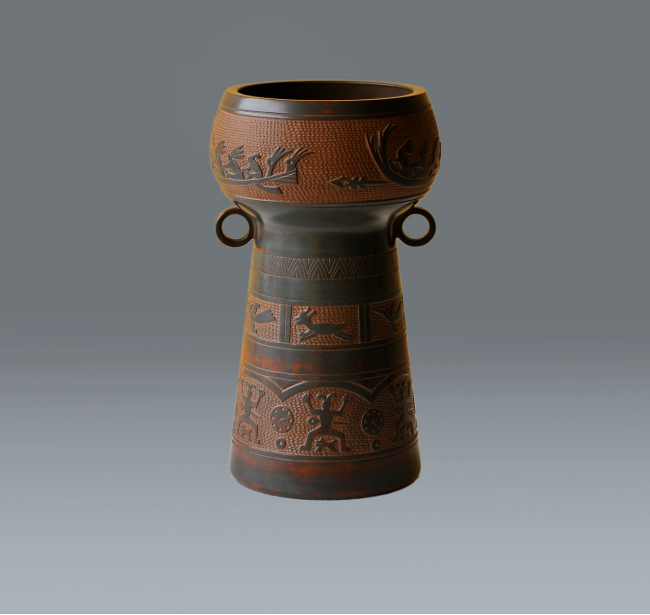
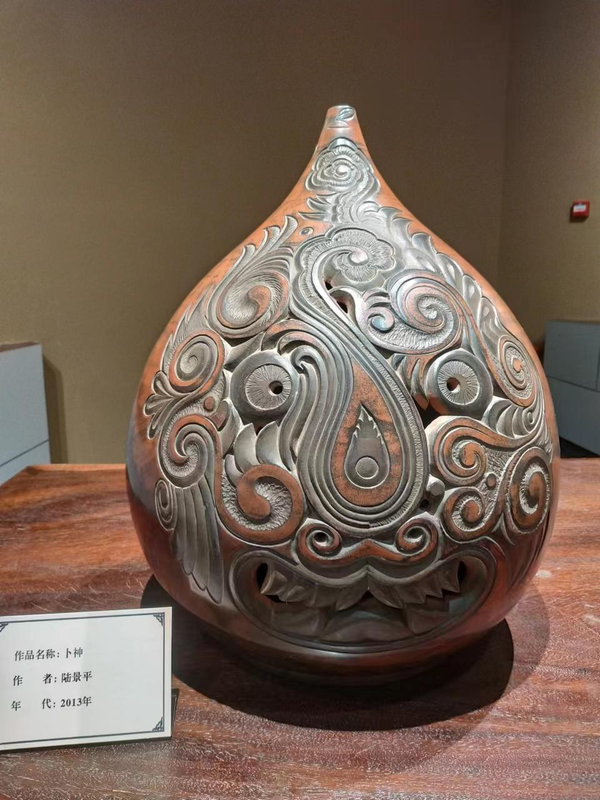
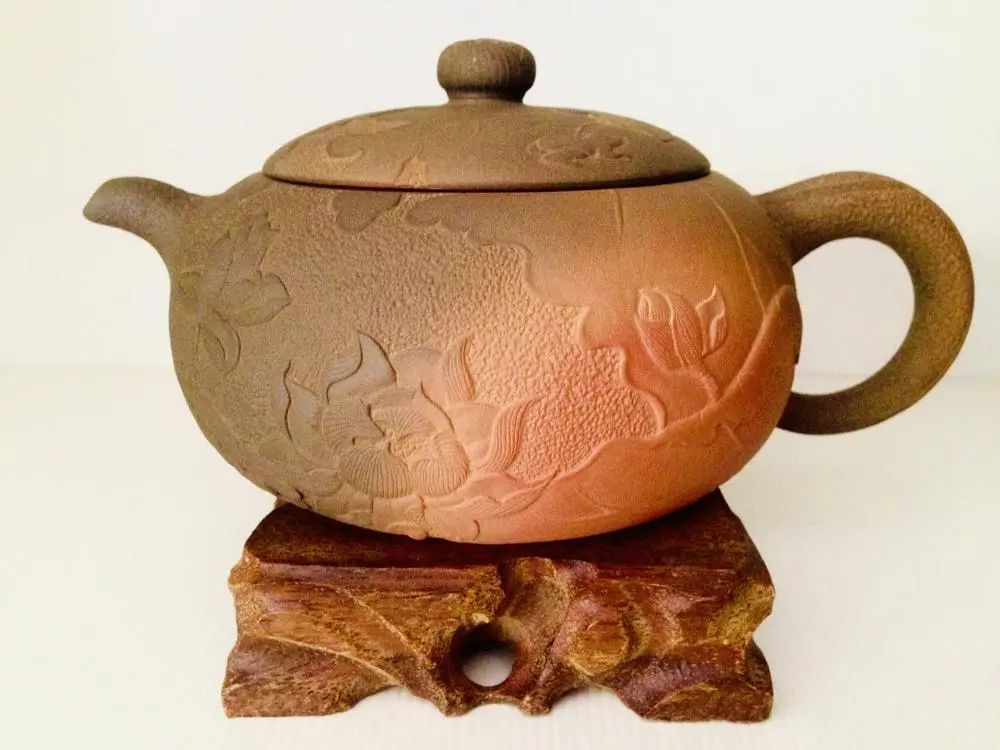
Gangwayao Village
Gangwayao Village in Qinzhou is the core birthplace of Nixing Pottery. Bordering the Qinjiang River to its west with convenient water transport, the village has dedicated itself to pottery production since its founding, with ancient craftsmanship passed down from generation to generation. Covering roughly 70,000 square metres, the village hosts multiple ancient pottery‑cultural relic sites: relics of the ancient dragon kiln, sites for firing bricks for the ancient Ming‑Dynasty city wall, and the workshop ruins for fine‑clay “Si‑Liu Tiles”.
Boasting more than 600 years of pottery‑making history and generations of skilled artisans, Gangwayao Village serves as a key site for researching Nixing Pottery’s unique techniques and ancient pottery culture, recording the glorious development of Qinzhou Nixing Pottery.
Qinzhou Records compiled during the Jiajing reign of the Ming Dynasty documents: “In the fourth year of the Hongwu reign of the Ming, to fend off Japanese pirates, the imperial court ordered city‑wall construction along coastal defences. Ancestors of the five clans — Zhang, Mo, Su, Liu and Yan from this village undertook the massive project of firing bricks for Qinzhou city walls.”
Sacred fire is lit from the ancient kiln site in Gangwayao Village. Fire‑passing and ignition ceremonies symbolise the craftsman’s spirit: the millennial flame, passed down from generation to generation.
The Ancient Qinjiang Dragon Kiln
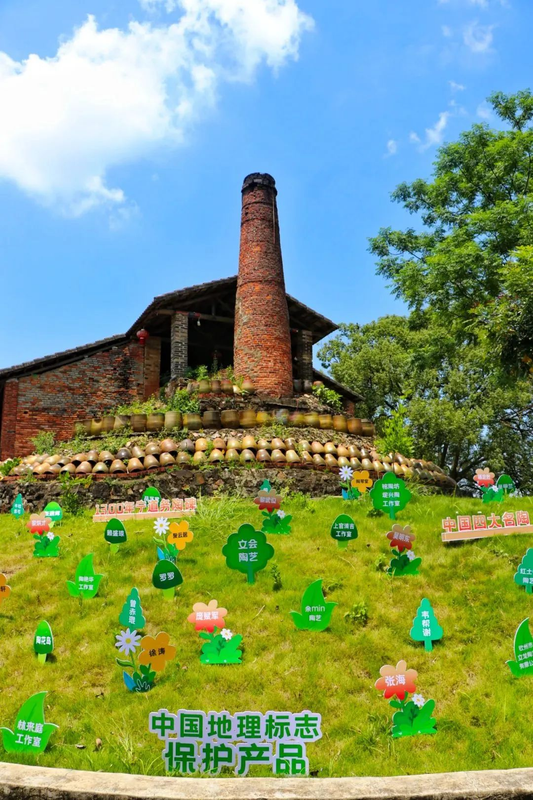
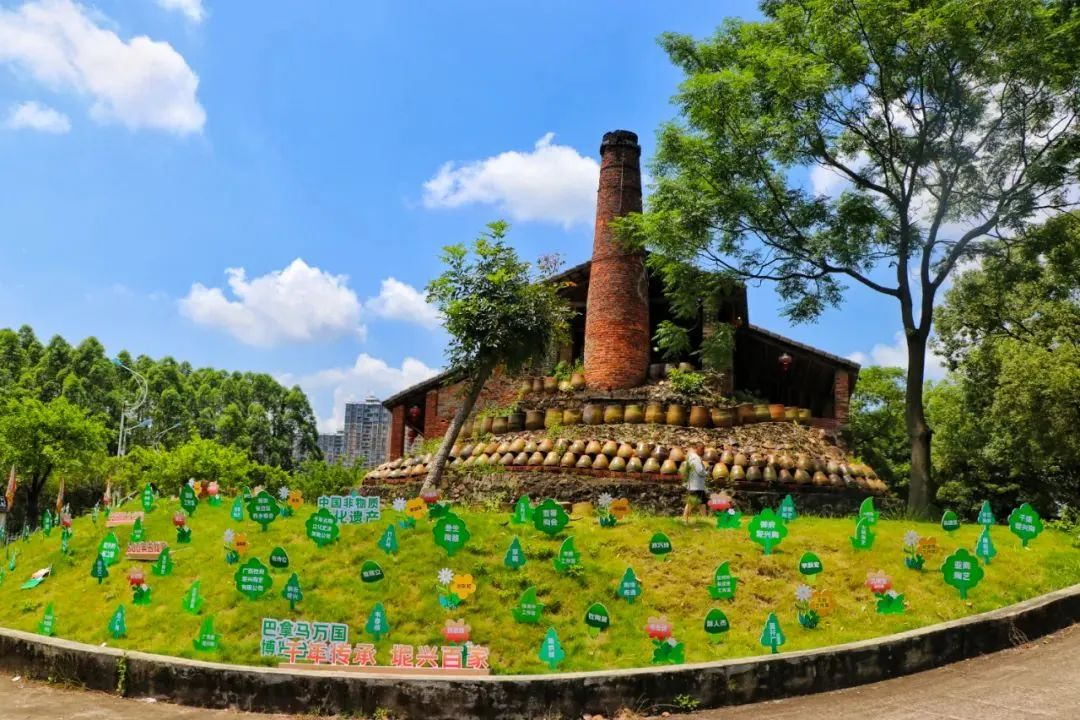
Another cultural treasure not to be missed in Qinzhou is the Ancient Qinjiang Dragon Kiln. First built during the Hongwu reign of the Ming Dynasty, this well‑preserved dragon kiln stretches approximately 80 metres and sits on the east bank of the Qinjiang River, between the First and Fourth Bridges.
The full kiln body measures 80.2 metres. Its 72‑metre‑long main tunnel is a vaulted, straight‑flame cylindrical tunnel built of earth and pottery bricks. Ninety‑nine stoke‑holes line both sides of the kiln, for feeding fuel and observing firing temperatures. Fuel is added hole‑by‑hole along the upward‑sloping kiln; flames rise naturally to maximise heat utilisation.
Five kiln doors (two on the east side, three on the west) enable loading of raw pottery blanks and unloading of finished wares. The kiln slopes upward: its tail rises roughly 10 metres above its head. Narrow at the front and wider at the rear, its outer diameter is 2.5 metres at the head and 3.5 metres at the tail, with an inner height of around 2 metres. A kiln‑shed shelters the structure: brick pillars support tile roofing. Each roof bay spans 4 metres, totalling 20 bays.
It is presently designated a Guangxi‑Zhuang Autonomous Region‑level cultural relic protection unit. In 2016, the Ancient Qinjiang Dragon Kiln was relit, and the first fire‑worshipping ceremony was held in conjunction with Cultural and Natural Heritage Day. The year 2025 marks the tenth anniversary of this event.